We are excited to welcome Alexandra Mitiku, a Korean-Ethiopian artist and poet, to G.A.S. Lagos as our first resident this September. Based in Finland, Alexandra’s practice spans painting and installation, where she draws on fantasy, desire and the Korean concept of 한 / Han to consider experiences of grief, injustice and transformation. Her work is shaped by an interest in the internal and external forces that influence how we understand ourselves and the worlds around us.
During her eight-week residency, Alexandra will develop a series of large-scale paintings, building on her recent work around bodies of water as sites of aquatic activation. She hopes to deepen her research into hydrofeminism and oceanic thinking, with a particular focus on Édouard Glissant, while learning about Nigerian stories and beliefs around bodies of water. She is particularly interested in visiting the Osun-Osogbo Sacred Grove and mangrove ecosystems around Lagos, and exploring how materials gathered from these environments, including water and mangrove branches, might inform her painting process. Through this research and making, Alexandra hopes to develop her methodologies around painting and image-making, drawing on Korean sansŭ (산수) painting and its attention to the inner landscape of the psyche and environment. She will also keep a creative journal throughout the residency and looks forward to connecting with the art scene in Lagos.
Alexandra's residency is realised in collaboration with the Finnish Cultural Foundation. To find out more about supporting G.A.S. Foundation, click here.
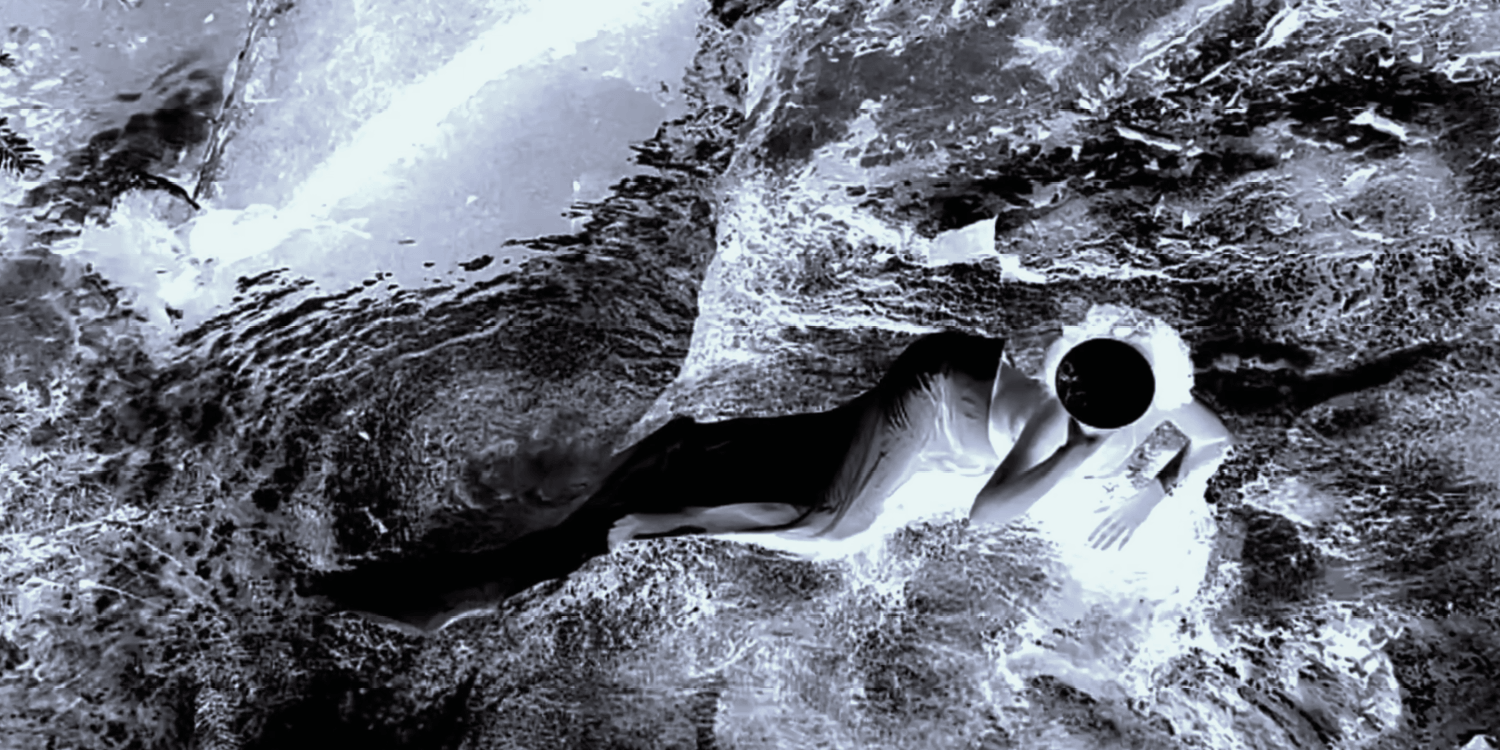 Still from un/real estate, poetry video. Courtesy of the artist.
What is the current focus of your creative practice?
Using sites of aquatic activation through installation, video and poetry, I am exploring how to invite the viewer into their own inner landscapes. More importantly, I am interested in how to see oneself in relation to mytho-poetics, the current zeitgeist and patterns within global histories.
I also am interested in the counter-current exchange between imagination and reality, and how this exchange shows up in the correlation between economic development, the climate crisis, patriarchy, displacement, gentrification, genocide and migration. I am driven by a sense of urgency at the scale of imbalance in our modern-day world, caused by the link between compulsive construction and accumulating unresolved injustices. My works unfold through a relational perspective, which challenges binary thinking, whether it is personal or political. Relationality allows for fragmented, seemingly unrelated matters to be tied together. We receive so much information these days and barely have reaction time, let alone response time. This time for contemplation is where we become part of the same story.
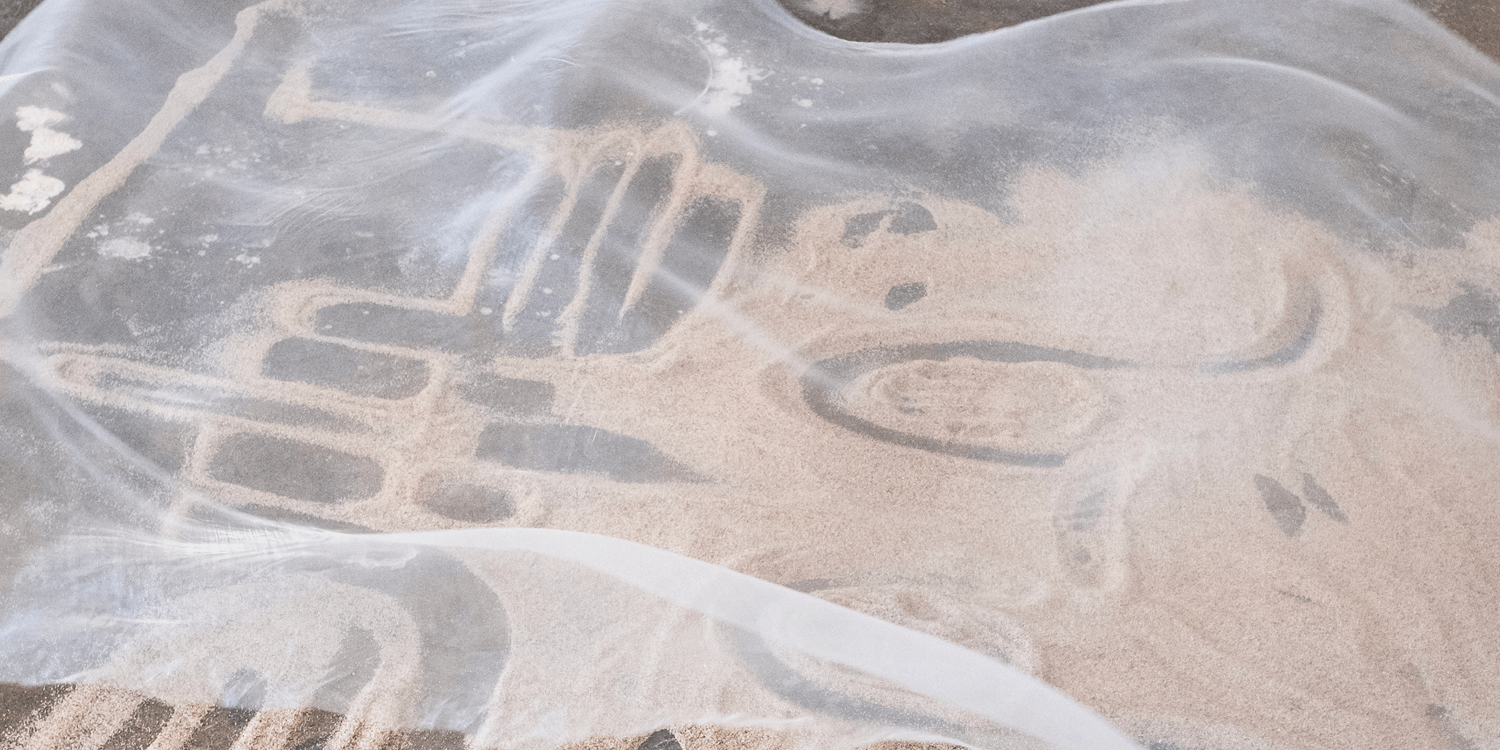 Detail from the installation the stream forks like an oracle tongue. Photo: Oona Oikkonen.
What drew you to apply for this residency and how do you think it will inform your wider practice?
The photo of the reading area first drew me in. Then, reading about how the residency values practice development and engagement with local communities resonated with me. My own practice is tied to being process-based and hosting community events, and I am curious to expand this with the guidance provided at the residency. Having some time to develop how I articulate my practice would also be really fruitful, as so much has evolved over the past year. I feel that being in dialogue with the people of and around the residency will push my own perspectives.
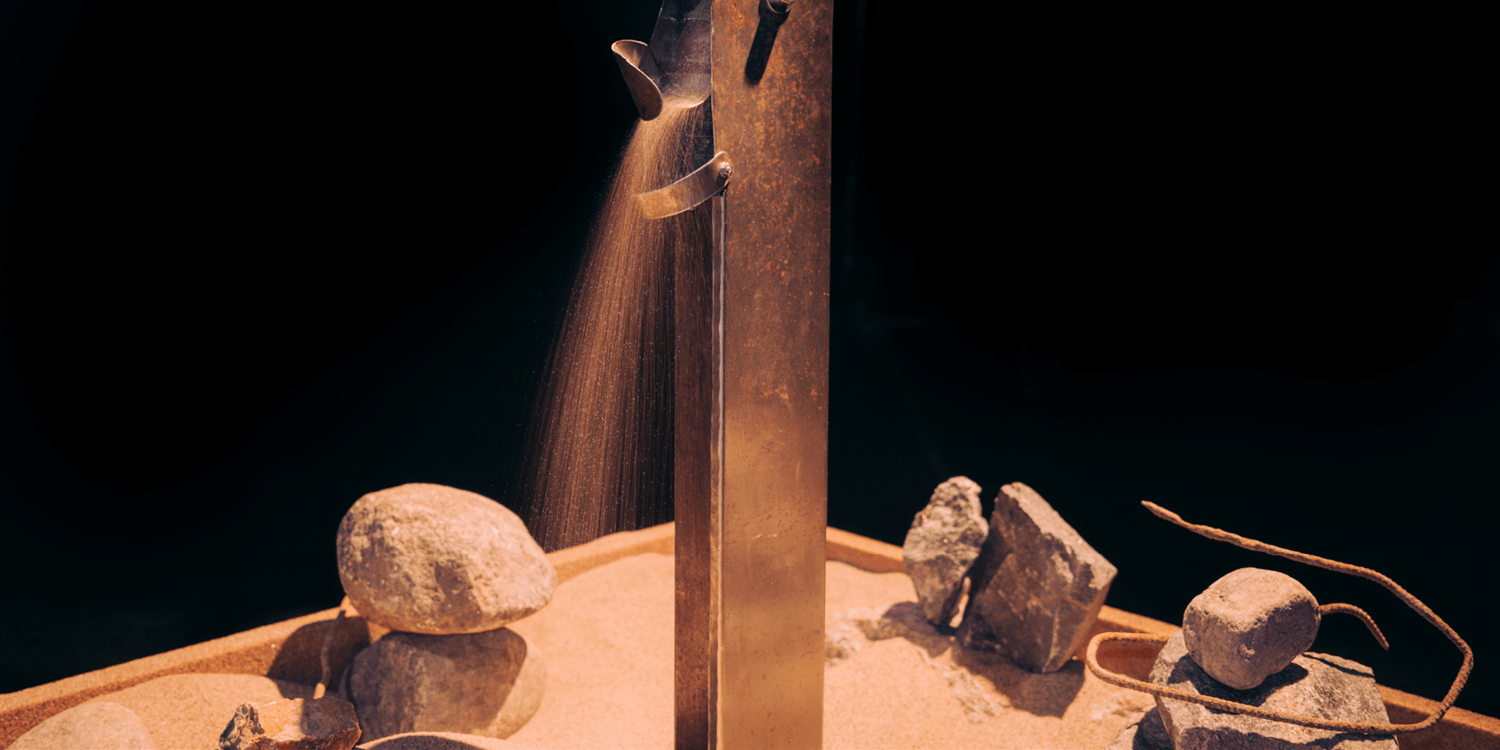 Detail from a fountain where sand spills instead of water. Photo: Armando Tranquille.
Can you give us an insight into how you hope to use the opportunity?
I am using the two months to explore, through painting, the themes I have been digesting this year. My approach to image-making draws on East Asian landscape painting, particularly Korean 산수 / sansu paintings, which look beyond the surface into the inner landscape of the psyche and environment. In parallel, I am deepening my conceptual research into hydrofeminism and oceanic thinking, with a focus on Édouard Glissant. This will further my examination of the relationship between nature’s regenerative processes and human profit-driven destruction, particularly through urbanisation. I am especially drawn to the mangrove and its surrounding ecosystem, which is prevalent around Lagos. I hope to connect with people and the environment to learn more about mangroves and whether they can be used to make materials such as ink or charcoal. I also hope to be in exchange with the people and environments I encounter during my stay.
About Alexandra Mitiku
Alexandra Mitiku (b.1992) is an artist-poet whose practice looks at fantasy and desire as a way to transform oppressive systems; starting with the ones which are internalized. At the heart of her practice lies a river of 한 / Han - a Korean cultural sentiment of deep unresolved grief and rage. This emotional structure is tied to systemic or personal injustice; and the hope for change. It is carried and passed on, evolving through generations. This river becomes a symbolic element in her works; a way of aquatic activation, where metaphysical undercurrents are seen as an influential presence rather than an absence. Her works have been recently acquired by the Museum of Contemporary Art Kiasma (2024) and the Helsinki Art Museum (2026). She is the recipient of a 3 year working grant from Koneen Säätiö (2025-2027).
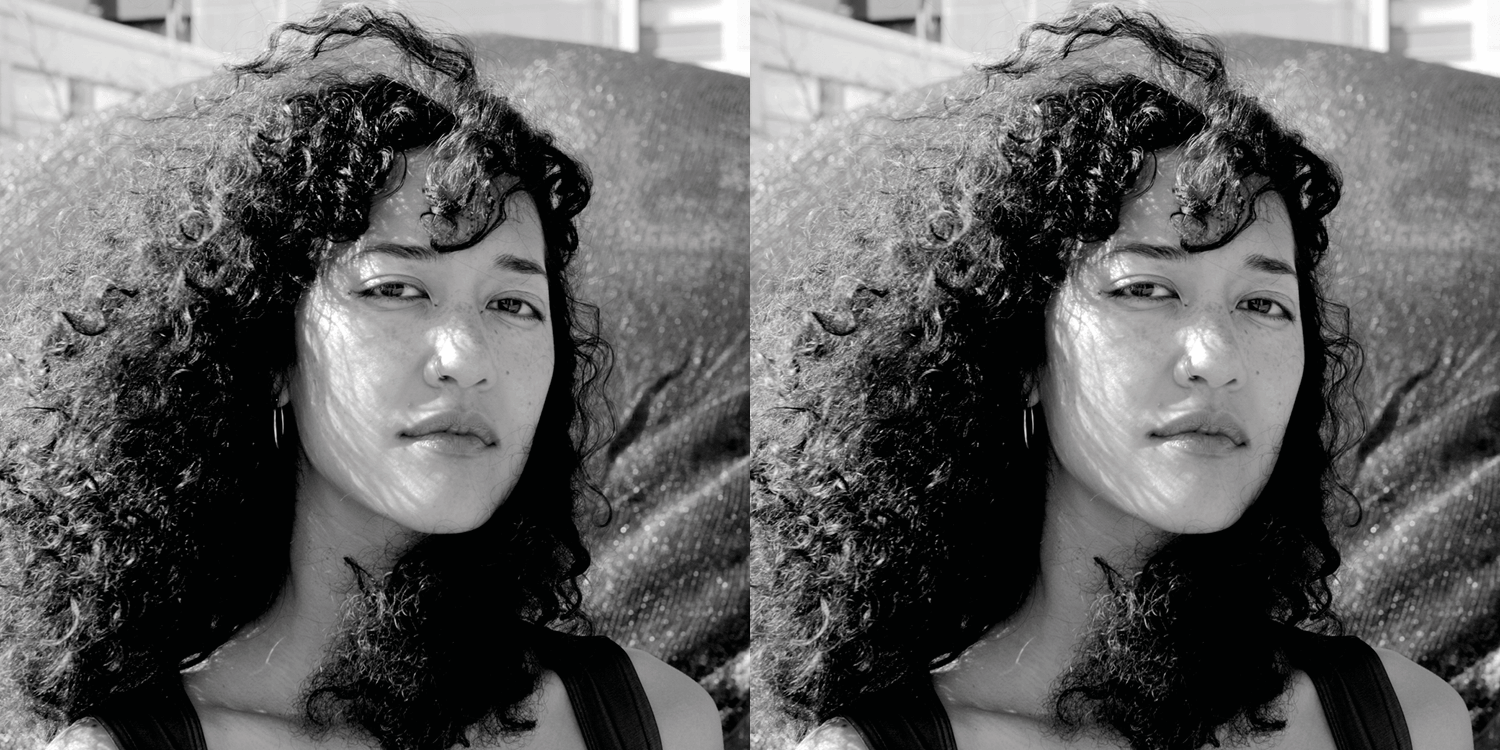 Headshot of Alexandra Mitiku. Photo: Armando Tranquille.
